
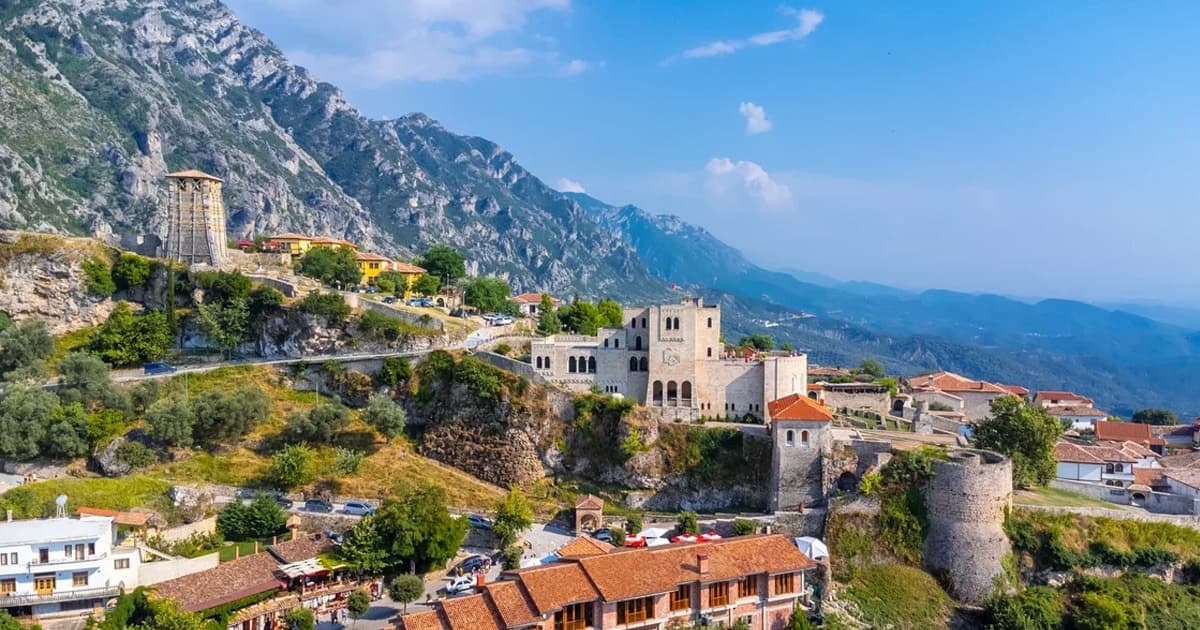
Albania has emerged as a practical choice for international investors interested in buying Mediterranean properties at a more competitive price.
As infrastructure projects expand and coastal regions develop, it’s better to understand the legal and procedural steps involved in buying property in Albania than to dive into the market unprepared.
Whether you’re aiming for urban capital growth with Tirana-based properties for sale or coastal real estate for a holiday home, the statutory process is the same throughout. Non-residents that follow the legal protocols have a more straightforward path to a successful purchase.
Legal Eligibility for Foreign Purchases
Under the current property ownership laws in Albania, foreign citizens and non-residents generally enjoy the same rights as local citizens when purchasing apartments, commercial buildings, retail units, and villas.
There is one restriction, however, and that applies exclusively to the purchase of agricultural land. If you wish to acquire agricultural assets for commercial use while being a foreign investor, you will have to establish a local Albanian LLC first.
The Personal Tax Number
Obtaining a personal identification number (NIP) from the regional tax office is a primary step in buying a house in Albania as a foreigner. This code will be a mandatory legal prerequisite for signing any property transaction, establishing local bank accounts and organising utility configurations.
Luckily, as long as you can submit a valid international passport and notarised application documents to the local tax authorities, this application process for this will be direct.
Capital Repatriation & Protections
The framework governing a non-resident property purchase Albania allows investors to repatriate rental income and future capital gains without restrictive capital controls.
All you need to do is preserve all receipts and certified statements to provide a trail proving that all initial investment capital is transferred into the country through formal banking channels.
The Step-by-Step Legal Process
Step 1: Due Diligence
First, your representative will verify through the Immovable Property Registration Centre (IPRC) that the vendor holds a clean, uncontested title and that the property is free of active mortgages, hidden liens, tenancy disputes, or historical ownership claims.
Step 2: Preliminary Contract
Next, both parties will sign a binding preliminary contract before a notary that outlines the agreed purchase price, payment schedule, and deposit requirements, which typically average 10% of the transaction value.
Step 3: Final Contract & Notarisation
The final sale agreement must be drafted, reviewed and authenticated by a licensed Albanian notary who will verify the identities of all parties, ensure the seller has cleared all municipal property debts, and collect the state transfer taxes.
Step 4: Title Transfer
Finally, the notary will submit the signed contract to the IPRC for formal property registration in Albania. The government registry processes the updates within the public land records and issues a clean ownership certificate that recognizes you as the legal owner, completing the acquisition process.
Taxes, Fees, and Closing Costs
Transfer Tax Obligations
The standard real estate transfer tax is assessed based on the property’s declared value or capital gains. Transaction custom dictates that the final payment terms are frequently negotiated between the buyer and seller during the preliminary contract phase to ensure a balanced closing agreement.
Notary & Legal Expenses
Notarial fees are strictly regulated by state tariffs. They typically scale from 0.5% to 1% of the total property value and are subject to standard VAT. If you wisely choose to hire a lawyer for legal representation, you will incur a predictable flat fee or a minor percentage of the purchase price.
Annual Property Taxes
Ongoing Albanian property taxes, albeit fluctuating, remain exceptionally low compared to standard Western European real estate markets. The annual municipal tax is calculated as a fraction of a percent of the building’s assessed structural value.
Final Considerations
Purchasing Mediterranean real estate is a highly regulated and secure process, and being aware of the legal steps to buy property in Albania is especially critical for non-residents or foreign citizens. To start your search with verified listings and tools, get in touch with Tokatim today.
FAQs
Will I have to provide a tax number to buy property in Albania?
Yes. You must first obtain a personal number, or NIP, from the local tax office before you can sign a real estate contract.
Can foreign citizens inherit property in Albania?
Yes. Depending on the property, foreign citizens are generally not restricted from inheriting real estate in Albania under the local succession laws.
Is it mandatory to hire a lawyer for purchasing real estate?
Strictly speaking, no. But hiring an independent local lawyer is highly recommended, so that buyers can review contracts and have an independent title search conducted.
Can I complete the purchase remotely?
Yes. If you cannot be, or prefer not to be, physically present for the purchase, you can grant power of attorney to a trusted representative who will sign the contract on your behalf.
Last updated: June 19, 2026