
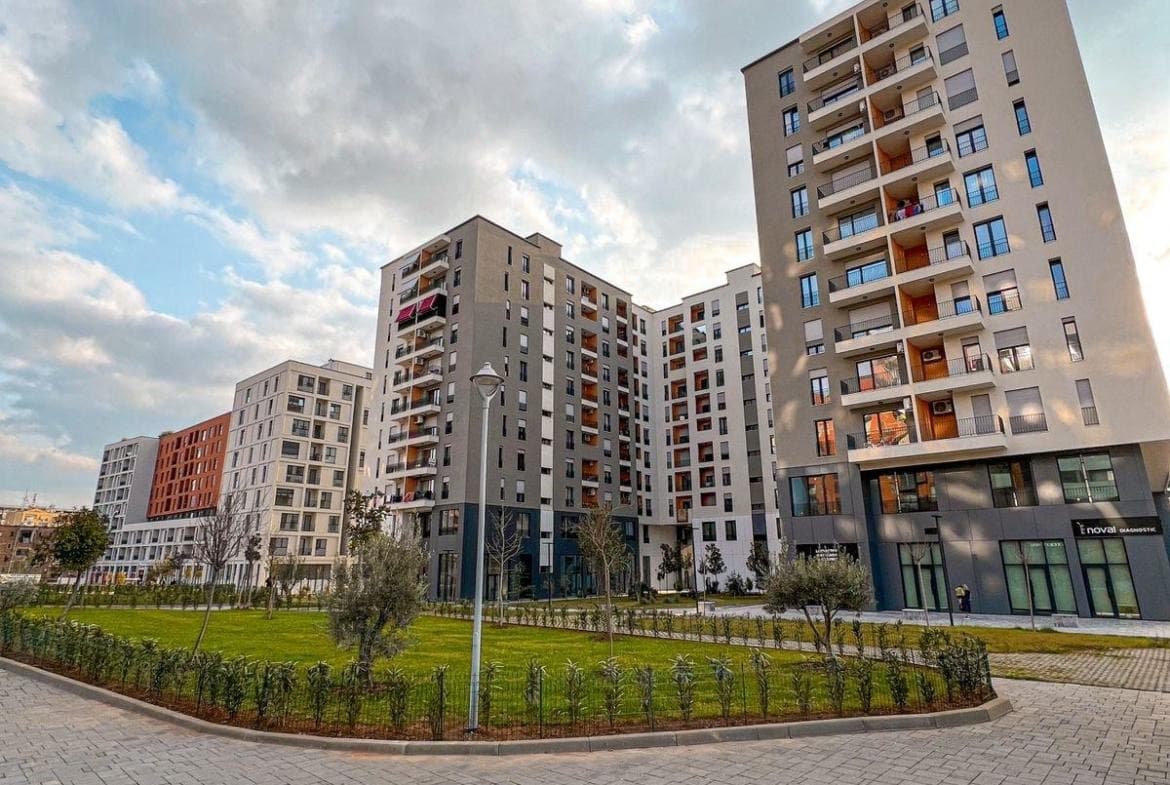
No longer an overlooked gem in the Mediterranean, the international popularity of Albania’s real estate has risen significantly. When evaluating a potential real estate investment in the Balkans, properties in Albania stand out as a high-growth yet economical alternatives to established markets like Croatia or Montenegro.
For foreigners looking to buy, navigating an overseas legal system without a clear roadmap is risky regardless of how accessible the market is.
Step 1: Understanding the Rules
Residential and Commercial Basics
The legal framework in Albania is highly accommodating to international buyers. Foreign individuals enjoy equal rights to local citizens when purchasing apartments, commercial spaces, and residential buildings. There are no special government approvals or reciprocity checks required to hold the title to a built structure.
Restrictions on Land Acquisition
While you can freely purchase the footprint of a building, the legal requirements for buying land in Albania differ by classification. Foreign individuals cannot directly hold title to agricultural land as private persons.
Step 2: Determine Your Budget and Preferred Location
Market Dynamics and Regional Yields
Each region has something different to offer, due to tourism and holiday rentals, coastal cities like Durrës and Vlorë are good seasonal investments. However, properties in the capital city offer more year-round economic benefits.
Looking closely at Tirana property prices reveals higher initial entry costs, but these are balanced by stronger long-term rental yields and a permanent pool of corporate and expat tenants.
Calculating the Total Transaction Costs
While going over your budget for the purchase, you must add an additional 3% to 5% of the final cost of buying a house in Albania to account for notary fees, legal representation, and transfer taxes.
Step 3: Due Diligence and Property Verification
Before signing any document, you must verify that the listing has no active mortgages, unresolved family inheritance disputes, or outstanding bank liens that could freeze the asset.
Every legitimate transaction requires a direct verification of the title deed (Hipotekë) at the Immovable Property Registration Office (IPRO), commonly known as the Cadastre.
Step 4: Engage an Independent Local Legal Representative
While public notaries are mandatory and act as neutral state officers to witness the transaction, they do not act as your personal advocate. A legal representative will draft custom contract clauses, verify the developer's underlying permits, and oversee the escrow conditions.
Hiring them also ensures that there are no competing interests and that your legal representative's sole objective is defending your capital and contract.
Step 5: Sign and Pay
Structuring the Preliminary Agreement
The lawyer drafts a preliminary sale agreement outlining the final purchase price, payment schedules, and specific conditions that must be met before closing. Signing this document typically requires a 10% deposit, which is held securely to take the property off the active market.
Essential Contractual Safeguards
A secure preliminary contract must include clear closing timelines and precise penalty clauses for unilateral withdrawal.
If the seller backs out without a valid legal reason, standard practice dictates they must return double the deposit amount. Conversely, it should state that if the property fails final cadastre registration due to historical title issues, the deposit is refunded in full to the buyer.
Step 6: Final Sale and Registration
The final transfer of ownership occurs in the office of a licensed public notary in Albania. Both parties sign the definitive contract of sale, and the remaining balance is transferred to the seller.
Signing the contract alone does not complete the process. The title must be officially updated in the national records. The notary or your legal representative submits the finalized, stamped documents to the local IPRO office.
Make the Process Easier Today
Purchasing property in Albania as an international investor is a straightforward and secure process when you follow the established legal steps and commit to thorough due diligence. By understanding local regulations, verifying titles at the source, and working with independent professionals, you can confidently capitalize on one of the fastest-growing property markets in the region.
Ready to explore verified listings? Browse trusted properties and connect with local experts on Tokatim to start your investment journey with confidence.
FAQ
Can foreign nationals purchase apartments in Albania?
Yes, they can, and without having to form a local company or establish a business entity.
Will foreign buyers need to hire a local lawyer in Albania?
Yes. Hiring an independent legal professional is essential for verifying property titles, checking for any active liens, and navigating sales contracts safely.
How long does it take to have a property registered in Albania?
The registration process typically takes a few weeks after the final notarized deed is officially submitted to the Immovable Property Registration Office.
Are there any restrictions on foreigners buying agricultural land in Albania?
Yes, foreign individuals cannot hold agricultural land in their personal name. To purchase agricultural land, a foreigner must establish a local legal entity.
Last updated: July 22, 2026