
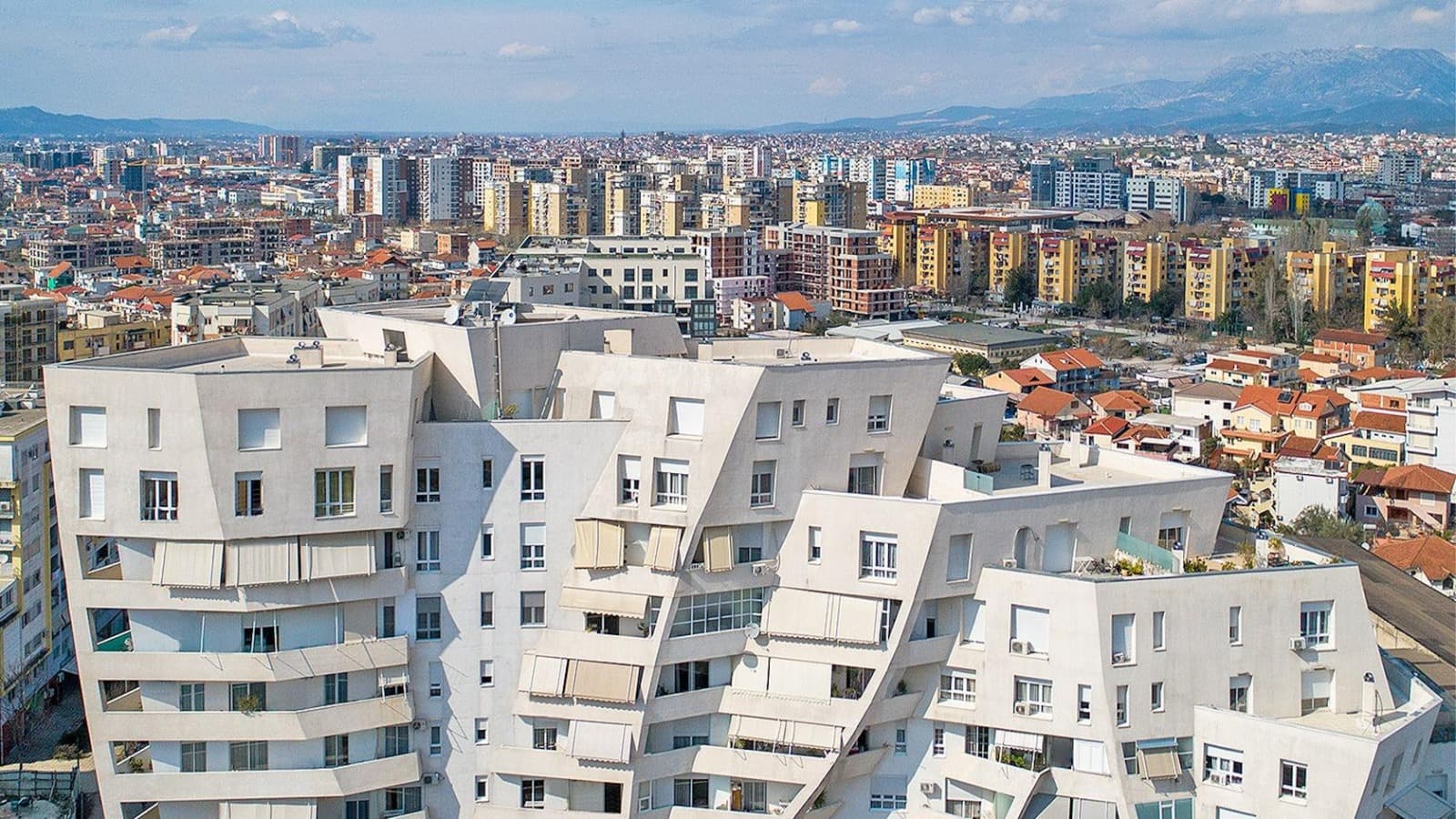
The market for real estate in Albania has changed rapidly over the last few years. What used to be a landscape dominated by word-of-mouth deals and informal agreements has transformed into a legitimate, data-driven market.
As international buyers and expat communities look closer at the Balkan coastline and capital city, navigating the local property landscape requires a clear understanding of how listings are classified.
Residential Categories: Asset Types and Utility
Apartments and Penthouses
Urban residential listings generally fall into off-plan properties, which are still under construction, and fully-built turnkey units.
If you are looking to buy a house in Albania or secure a modern apartment in a major hub, the single most important component is a Hipotekë (the formal title deed). For a turnkey property, the seller must produce a clean title deed from the State Cadastre Agency showing no active liens.
For off-plan units, a title deed doesn't exist yet. Instead, you must review the developer’s construction permits and their technical passport (Pasaporta Teknike).
Villas and Coastal Residences
Detached villas and coastal homes are the primary drivers for long-term property investments in Albania. The lifestyle appeal is obvious, but the regulatory framework along the Riviera is exceptionally strict.
When browsing coastal listings, your primary focus should be on land boundaries and maritime zone regulations. The Albanian government enforces specific setback rules that dictate how close a structure can legally stand next to the shoreline.
Furthermore, parts of the coast are protected zones. A quality listing must prove that the physical villa matches the national cadastre maps exactly, ensuring that you aren't buying contested or restricted land.
Commercial Categories
Retail and Hospitality Spaces
Investing in commercial spaces means looking past aesthetics and focusing entirely on operational compliance and foot traffic metrics.
When analyzing commercial real estate Tirana, you have to look into the municipal permits attached to the structure. A space might look perfect for a restaurant or boutique hotel, but if the building lacks the structural load capacity or the specific zoning permits for food and hospitality operations, converting it can be expensive.
Office Spaces and Warehouses
Logistical buildings, industrial spaces, and offices are classified by grade (A, B, or C) based on their utility infrastructure, structural efficiency, and transport access.
If you purchase a space listed as an office but intend to use it as a light industrial warehouse, you risk facing municipal closures and heavy fines. The legal designation in the property registry must explicitly match your day-to-day business operations.
Land and Development: Zoning and Potential
Construction Land
Raw land holds immense development potential, but it comes with high administrative stakes.
Any legitimate listing for development land needs to display its approved building permit (Leje Ndërtimi) alongside its coefficient of buildability (Koeficienti i Shfrytëzimit të Truallit). This coefficient tells you exactly what percentage of the plot can actually be covered by a physical building, dictating the ultimate scale and return on your project.
Agricultural Land
Agricultural plots often look like bargains because of their low per-square-meter pricing. However, these listings come with strict legal limitations.
Changing agricultural land into development land is a slow, bureaucratic municipal process with no guaranteed success. Additionally, foreign individual buyers cannot directly hold title to agricultural land in Albania without establishing and registering a local Albanian corporation.
The Necessity of Data Verification
The Risk of Outdated Portals
Unverified, scraped listing sites do not update their systems, meaning a property listed as "available" might actually be tied up in an active family inheritance dispute, or have an existing bank lien against the title.
Finding the right type of property requires a platform that has the most up-to-date and verified collection of Albanian property listings for residential and commercial use.
Tokatim solves this by ensuring that the listings hosted on its website show their legal status, market pricing, and seller profiles. This allows buyers to browse fragmented listings with transparency and confidence.
Make a Calculated Investment
Understanding how property categories operate under local law prevents costly investment mistakes. Securing clean titles, checking municipal permits, and verifying zoning parameters are the essential steps to a successful transaction.
Review the current property catalog on Tokatim today to find assets that fit your portfolio, and verify their legal standings before you begin the purchase process.
FAQs
Are notary fees and property taxes standardized across Albanian municipalities?
National transfer taxes are fixed, though annual property taxes and local registration fees vary slightly by municipality.
Are Albania property listings verified for accuracy?
Reputable platforms cross-check ownership and agency details to ensure listing validity.
Do land listings include zoning information?
Quality platforms specify whether a plot is zoned for residential or commercial development.
How often are property databases updated in the Balkans?
Leading platforms refresh their listings daily to reflect current market availability.
Last updated: July 15, 2026